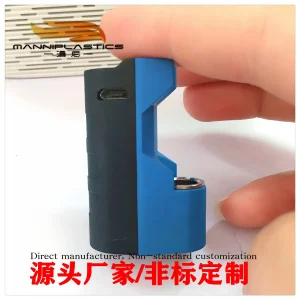
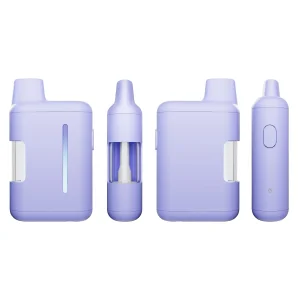
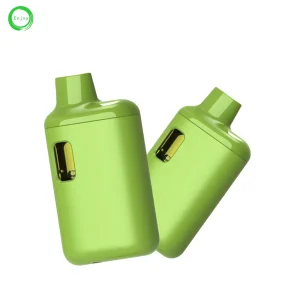
Direct from global supply chains: explore advanced cartridges, customization mods, automated machinery, and precision CNC manufacturing hardware.
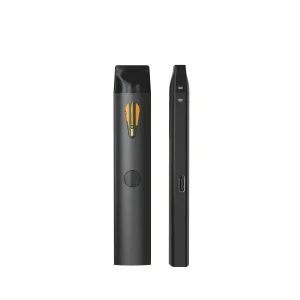
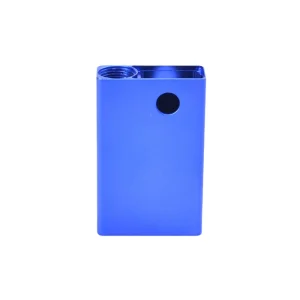
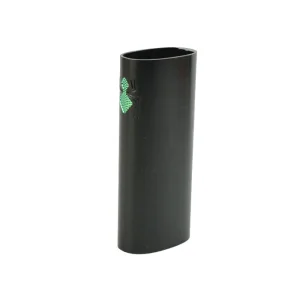
In the rapid advancement of modern extraction and vaporization technologies, desktop vaporizers stand as the gold standard of thermal efficiency, vapor density, and continuous delivery. Unlike their portable counterparts, which are constrained by battery limitations and compact thermal isolation spaces, desktop systems draw direct electrical current. This enables the implementation of high-thermal-mass convection heating elements, sophisticated microcontrollers executing PID feedback loops, and pure glass or ceramic pathways.
From a B2B procurement standpoint, desktop vaporizers satisfy a distinct segment focused on medical, therapeutic, and premium home-use environments. The stability of stationary systems ensures minimal dosage variation, making them highly sought after in regions with established clinical aromatherapy standards. In this guide, we analyze the top global manufacturers shaping this industry, exploring their engineering competence, material safety standards, and supply chain logistics.
The commercial landscape for stationary inhalation systems is experiencing a pivot toward pharmaceutical-grade standards. Driven by regulatory changes in North America and Western Europe, devices are no longer designed merely for leisure. They are integrated into holistic wellness treatments, requiring strict compliance with biocompatibility directives, electromagnetic compatibility (EMC) regulations, and toxic substance certifications (RoHS/CE).
Depending on the jurisdiction, desktop vaporizers serve localized customer profiles:
High demand for heavy-duty convection systems with large bowl configurations, often integrated with balloon-bag inhalation kits for clinical or group therapies.
Devices must pass certification as medical products (e.g., Medical Device Regulation - MDR 2017/745). Features like exact temperature setting and isolated vapor pathways are legally mandated.
Rapid growth in high-end personal residential settings where aesthetic appeal matches electronic performance. Here, CNC-finished aluminum casings and ceramic heating elements dominate.
Below, we evaluate the industry-leading ten manufacturers and suppliers of desktop vaporizers and advanced vaping hardware solutions. We analyze them based on technological competence, supply-chain agility, and compliance certifications.
| Manufacturer Name | Primary Technology Focus | Origin | Key Strengths & Certifications |
|---|---|---|---|
| Storz & Bickel | Convection, forced-air bag systems | Germany | ISO 13485 (Medical Device Manufacturing), Volcano series pioneer. |
| Arizer | Glass-on-glass convection pathways | Canada | Pure flavor profiles, high-quality borosilicate components. |
| Foshan Xyvo Vape Co., Ltd. | OEM/ODM Hardware Integration & Precision CNC | China | Advanced battery management, customizable shells, automated assembly. |
| DaVinci / Dabolabs | Isolated zirconia ceramic pathways | USA / Global | App control, highly aesthetic design languages. |
| Silver Surfer (7th Floor) | Aromatherapy whip-style vaporizers | USA | Hand-blown glass components, ceramic heating elements. |
| Boundless Technology | Convection / Conduction Hybrid systems | USA / China | Affordable high-throughput designs for commercial scaling. |
| Ditanium Vapor | Dual-use e-nail and dry herb systems | USA | Integrated titanium heating core, wooden case designs. |
| EpicVape (E-Nano) | Log-style efficiency vaporizers | USA | Highly efficient botanical extraction, micro-dosing systems. |
| Yocan Technology | Mass manufacturing of vaporization hardware | China | Cost-effective engineering, global distribution scale. |
| XVAPE (TopGreen) | Digital desktop extraction chambers | China / Global | Excellent digital UI, rapid heating profiles. |
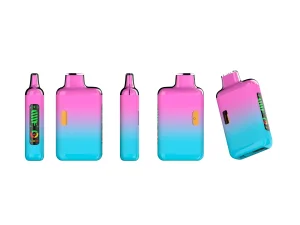
Foshan Xyvo Vape Co., Ltd. is a leading manufacturer and innovator in the vape industry, specializing in high-quality vape pens, cartridges, and batteries. Based in Foshan, China, Xyvo has built a reputation for delivering advanced vape hardware solutions that combine cutting-edge technology with user-friendly design. With a strong focus on precision engineering, our products are crafted to ensure consistent performance, safety, and durability, meeting the demands of both domestic and international markets.
Our comprehensive product portfolio includes sleek vape pens, refillable and pre-filled cartridges, as well as reliable, long-lasting batteries. Each product undergoes rigorous quality control and testing, adhering to global industry standards to guarantee a superior vaping experience. Xyvo’s dedicated R&D team continuously innovates to integrate the latest technological advancements, from intelligent battery management to customizable cartridge options, keeping our customers ahead in a rapidly evolving market.
Committed to OEM and ODM services, Foshan Xyvo Vape Co., Ltd. partners with brands worldwide, providing tailored solutions that align with unique market needs. Our manufacturing facilities are equipped with state-of-the-art machinery, ensuring efficient production while maintaining strict quality assurance protocols.
Driven by a customer-centric approach, Xyvo emphasizes safety, innovation, and design excellence, positioning itself as a trusted partner for businesses and consumers seeking premium vape hardware solutions. Our mission is to enhance the vaping experience through technology, reliability, and style.
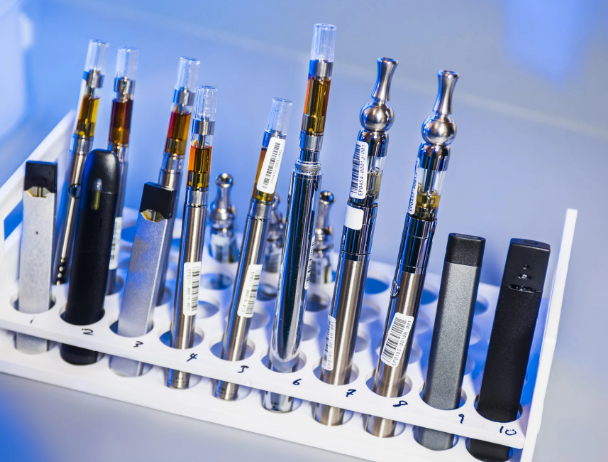
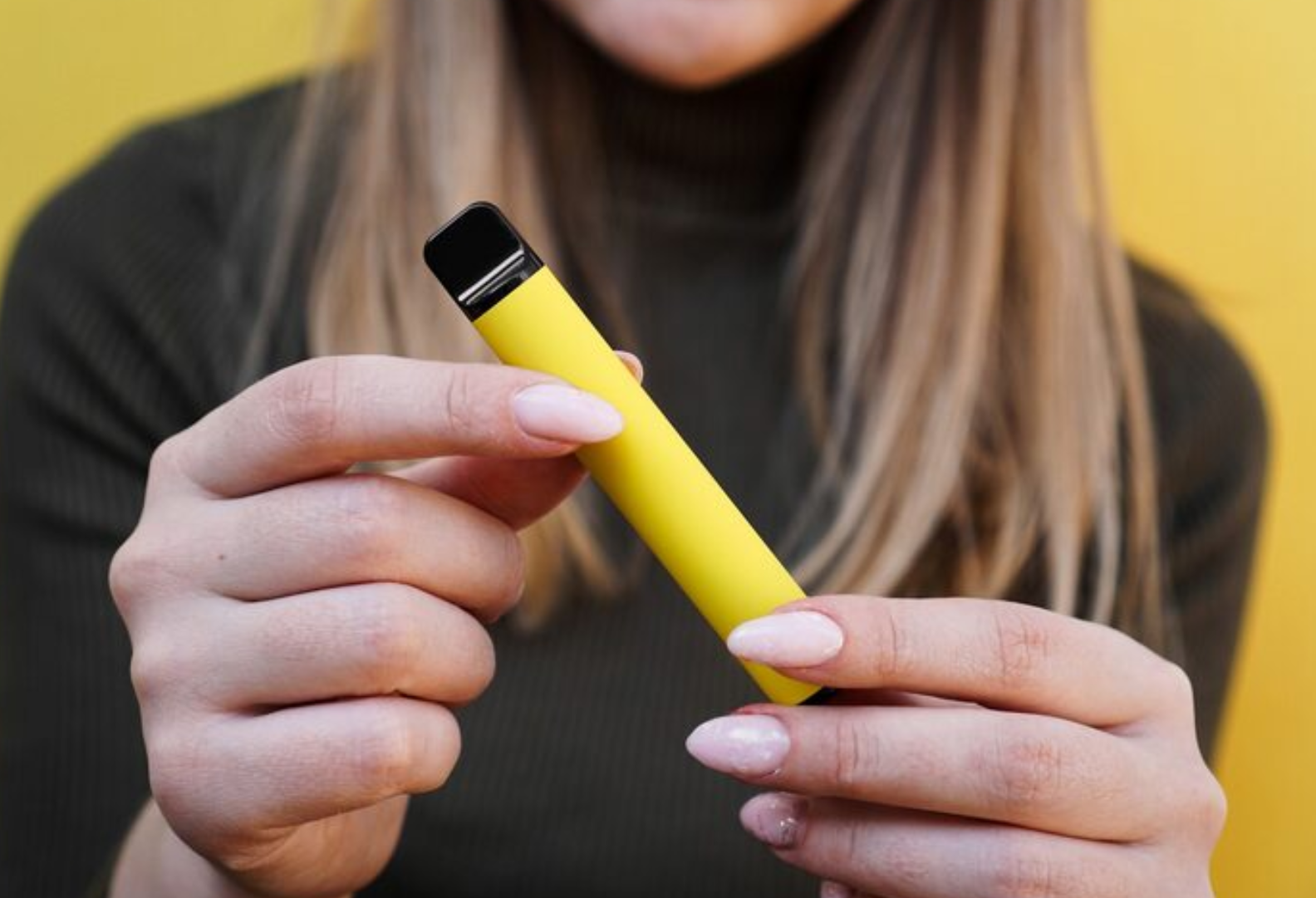
Modern desktop vaporizer engineering relies heavily on advanced material science to prevent volatile organic compounds (VOCs) and heavy metal leachings from entering the air stream. The standard roadmap consists of distinct stages aimed at achieving medical-grade purity.
Thermal dynamics have evolved from conduction (heating the container walls directly) to convection. Air is preheated in a separate ceramic or metal chamber before passing through the herbal matter, preventing combustion and ensuring even extraction.
Introduction of pharmaceutical-grade glass (borosilicate) and inert crystals (zirconia ceramic). These materials can withstand thermal fluctuations up to 500°C without shedding microparticles or releasing trace gases.
Proportional-Integral-Derivative (PID) algorithm controllers check target temperatures multiple times per second, maintaining thermal limits within ±0.1°C to target specific terpene boiling points.
Connecting hardware to mobile or desktop applications via Bluetooth. This records consumption cycles, manages automatic shut-off timers, and adjusts custom heating curves for therapeutic sessions.
For global distributors and brand owners, partnering with manufacturers based in China’s industrial clusters, such as Foshan and Shenzhen, provides massive structural advantages. This goes beyond labor efficiency:
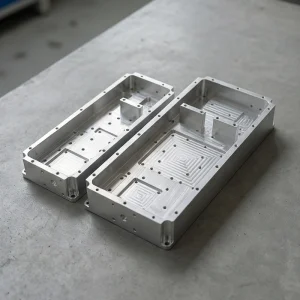
Vaporizer structural integrity requires extreme detail. 5-axis CNC machining, shell tooling, and anodizing happen in nearby plants, allowing rapid prototyping from 3D CAD files to metal samples in days.
Proximity to component producers means custom PCB controllers, silicone gaskets, high-density glass tubes, and packaging solutions can be sourced quickly, shortening lead times.
Chinese manufacturers excel at custom brand engraving, custom box designs, localized power plug configurations, and custom firmware adjustments, ensuring devices fit local regulations.
As demonstrated by industry leaders like Foshan Xyvo Vape Co., Ltd., the capacity to rapidly adapt product designs—ranging from disposable thick oil pens to advanced shell structures—highlights the high level of technical competency found in modern Chinese vape manufacturing facilities.
Importing vaporizing hardware into major markets requires strict adherence to international electrical and safety rules. The core certifications required for distribution networks include:
Mandatory for the European economic region, guaranteeing that no hazardous materials (such as lead, cadmium, or mercury) are used in solder joints or heating elements.
Confirms electromagnetic interference is kept below regulatory thresholds and that power conversion units satisfy strict UL 8139 safety standards for thermal runaway risk mitigation.
Ensures production plants trace every raw material batch, maintain dust-free assembly spaces, and run comprehensive end-of-line inspections.
Below are answers to the key operational and technical questions asked by global B2B buyers and brands during procurement:
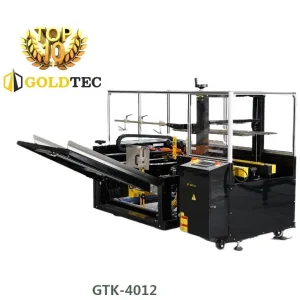
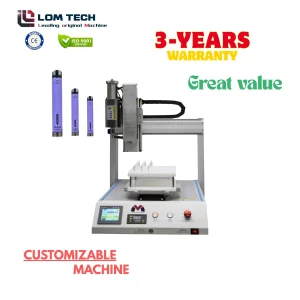
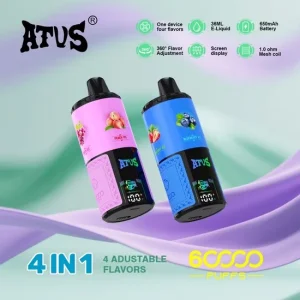
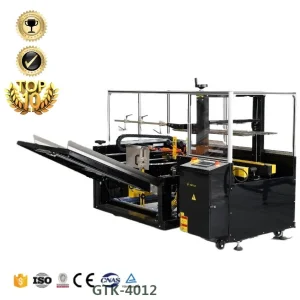
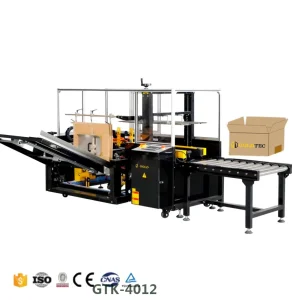
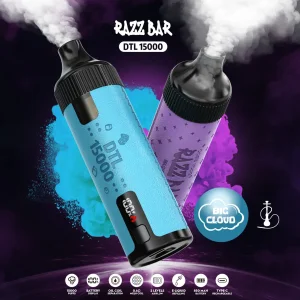
Browse our global wholesale vapor hardware line, featuring ceramic chamber layouts, rotating airflow system components, and packaging automation systems.

 Xyvo Vape