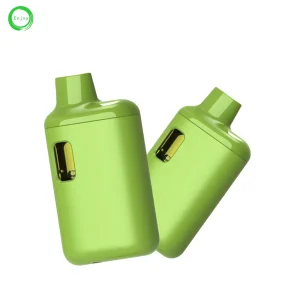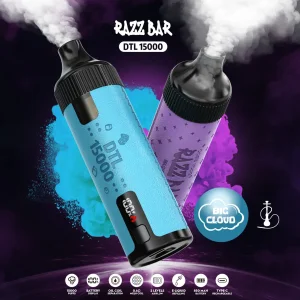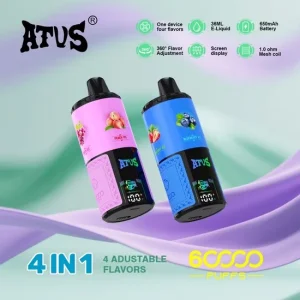
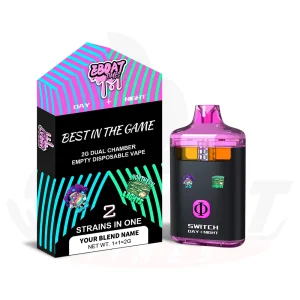
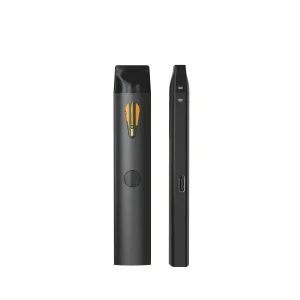
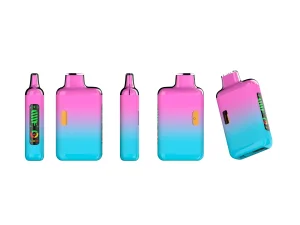
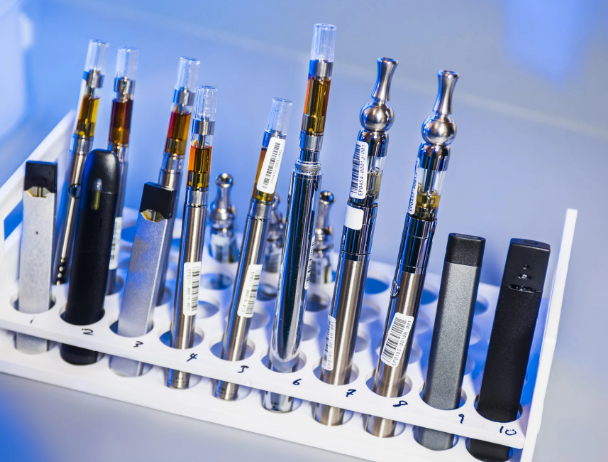
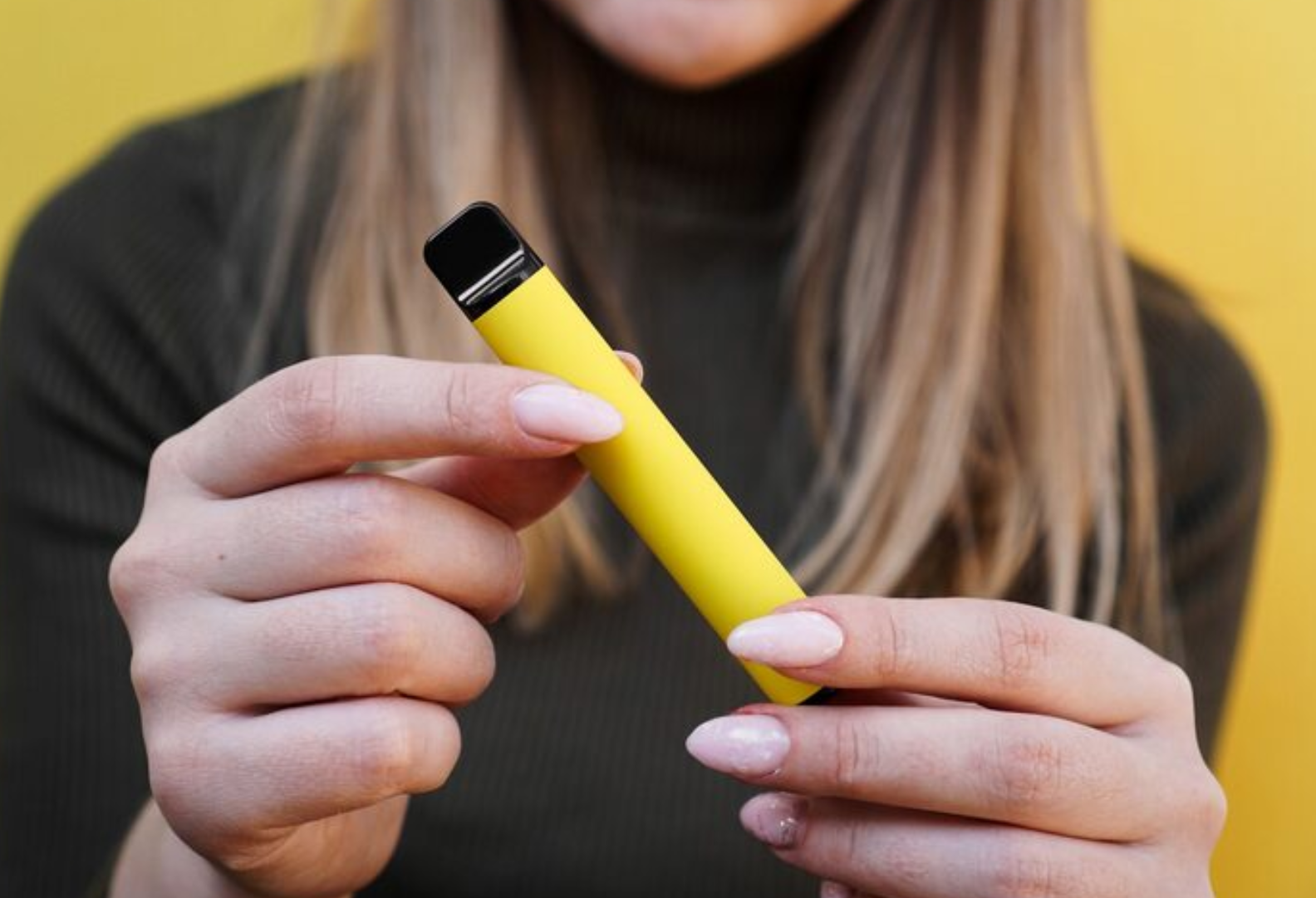
Foshan Xyvo Vape Co., Ltd. is a leading manufacturer and innovator in the vape industry, specializing in high-quality vape pens, cartridges, and batteries. Based in Foshan, China, Xyvo has built a reputation for delivering advanced vape hardware solutions that combine cutting-edge technology with user-friendly design. With a strong focus on precision engineering, our products are crafted to ensure consistent performance, safety, and durability, meeting the demands of both domestic and international markets.
Our comprehensive product portfolio includes sleek vape pens, refillable and pre-filled cartridges, as well as reliable, long-lasting batteries. Each product undergoes rigorous quality control and testing, adhering to global industry standards to guarantee a superior vaping experience. Xyvo’s dedicated R&D team continuously innovates to integrate the latest technological advancements, from intelligent battery management to customizable cartridge options, keeping our customers ahead in a rapidly evolving market.
Committed to OEM and ODM services, Foshan Xyvo Vape Co., Ltd. partners with brands worldwide, providing tailored solutions that align with unique market needs. Our manufacturing facilities are equipped with state-of-the-art machinery, ensuring efficient production while maintaining strict quality assurance protocols.
Driven by a customer-centric approach, Xyvo emphasizes safety, innovation, and design excellence, positioning itself as a trusted partner for businesses and consumers seeking premium vape hardware solutions. Our mission is to enhance the vaping experience through technology, reliability, and style.
When sourcing B2B vape hardware, procurement teams often rely on broad search strings, yet their actual business intents are highly granular. Search terms like "Wax Vape Pens" encapsulate critical requirements for specialized extraction delivery. B2B buyers search for "wax" but often require hardware capable of handling high-viscosity concentrates, live resin, rosin, and shatter without destroying fragile terpene profiles. Achieving thermal efficiency without crossing the point of combustion is the core objective of modern extraction hardware engineering.
Information Gain Insight: The difference between distillate vapes and concentrate vapes lies in viscosity and melting behaviors. Distillates flow easily at moderate temperatures, whereas waxy concentrates require a preheating phase and a robust porous ceramic core to prevent immediate coil clogging or dry burns.
The global concentrate market is expanding rapidly, outperforming traditional herb formulations in several key jurisdictions. According to international market intelligence, the demand for legal extracts (such as solventless rosin, live resin, and wax) is growing at a compound annual growth rate (CAGR) of over 22%. Consequently, consumer demand is driving hardware innovation. Brands are pivoting away from generic cartridges to custom-branded, postless disposable hardware and advanced portable box vaporizers.
Crucial trends shaping the industrial landscape include:
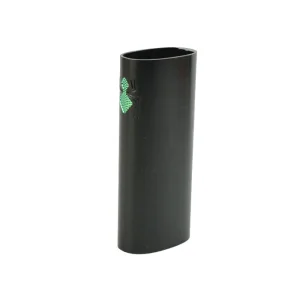
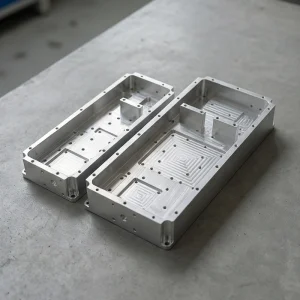
The concentration of vaporization technology in China's Pearl River Delta, specifically across Foshan and Shenzhen, provides an unparalleled structural advantage for global distributors. While Shenzhen leads in fast-paced consumer design iterations, Foshan's manufacturing centers contribute advanced industrial raw materials processing, metal housings, and highly efficient precision CNC machining facilities. This geographical clustering yields major operational benefits:
Converting a industrial designer's sketch into a functioning metal shell enclosure prototype within 72 hours using CNC 5-axis machines.
Access to localized raw component suppliers, from food-grade PCTG and customized packaging assemblies, lowering unit manufacturing costs by up to 30% compared to Western facilities.
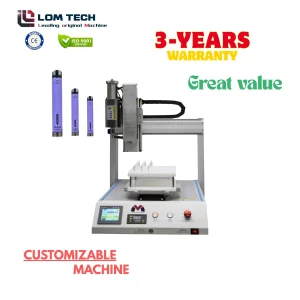
Fully automated visual inspection systems (AOI) alongside resistance and airflow testers directly integrated on cleanroom assembly floors.
Understanding where end-consumers use wax pens helps B2B brand managers select the correct hardware profiles. Unlike liquid carts, wax vaporizers must serve a wide range of use-cases:
Standard carts often seize up in sub-freezing temperatures due to wax thickening. High-performance wax pens solve this issue with active preheat settings. By outputting a low-voltage pulse (typically 1.8V to 2.0V) for 10-15 seconds, the hardware warms the chamber, lowering the wax viscosity before the user takes a puff at vaporizing voltage (3.2V to 3.7V).
For operations delivering pharmaceutical-grade concentrates, hardware safety is the primary concern. Devices must be constructed using lead-free metals, high-grade medical borosilicate glass, or zirconia ceramics. These materials ensure that patients do not inhale toxins during high-temperature vaporization cycles.
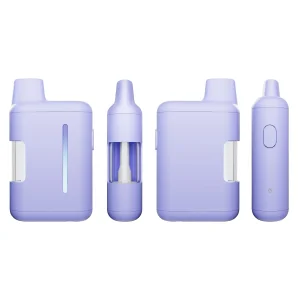
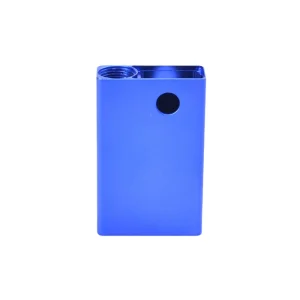
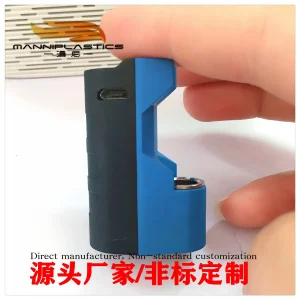
Consumers prioritize discreet devices. The rise of sleek box mods and postless disposable systems meets this demand. These form factors mimic standard electronic devices, delivering robust vapor density without drawing unwanted attention.
As state and international testing policies grow stricter, vape hardware engineers must anticipate future regulatory shifts. The industry is currently moving toward next-generation design standards:
Traditional heating wires wrapped in cotton often fail when vaporizing wax concentrates. Modern hardware utilizes 3D porous ceramic blocks embedded with integrated FeCrAl or heating mesh elements. This design ensures that every micro-gram of wax is exposed to uniform heat, reducing hot spots and eliminating the burnt taste commonly associated with high-viscosity materials.
To guarantee clean vapor delivery, premium devices keep the airflow path isolated from the battery compartment and the circuit board. This isolation prevents plasticizer vapors or chemical residues from entering the inhalation stream, meeting strict regulatory requirements in global markets.
Next-generation wax vaporizers feature active resistance detection. When the hardware detects a drop in concentrate volume (causing temperatures to rise), the control chip automatically scales back the voltage. This real-time modulation protects the coil and prevents dry hits.
Procuring hardware at scale requires rigorous vetting. When partnering with manufacturers in China's manufacturing clusters, B2B sourcing agents should audit the following phases:
B2B Procurement Advice: Always request a pilot run of 5,000 units to test under local filling conditions before moving to mass production. Concentrate viscosities vary by extraction method, and minor adjustments to the ceramic pore size or oil intake holes can significantly improve final product performance.
For thick concentrates and wax, the optimal heating resistance ranges from 1.2 to 1.8 ohms. Ceramic-based coils within this range balance fast heat transfer and low-temperature control, vaporizing the material efficiently without burning terpenes.
Postless hardware removes the central metal post, eliminating contact between the hot oil and internal metal components. This design prevents heavy metals from leaching into the concentrate, simplifies the manual or automated filling process, and maximizes chamber capacity.
At room temperature, high-grade wax concentrates are solid or semi-solid. Preheating technology gently warms the chamber to liquefy the concentrate before inhalation. This prevents dry burns, reduces clogging, and extends the lifespan of the ceramic heating core.
To export globally, factories should have ISO 9001 and ISO 13485 certifications. Products must comply with CE, FCC, RoHS, and WEEE requirements. Medical-grade facilities also require GMP-certified Class 100,000 cleanrooms to prevent contamination during assembly.
For standard OEM customization (such as custom laser logos and custom packaging), lead times are typically 15 to 20 days. Full custom ODM designs, which require industrial design, tooling development, prototype testing, and regulatory certifications, generally take 45 to 60 days.
 Xyvo Vape